I am a builder of Refuges.
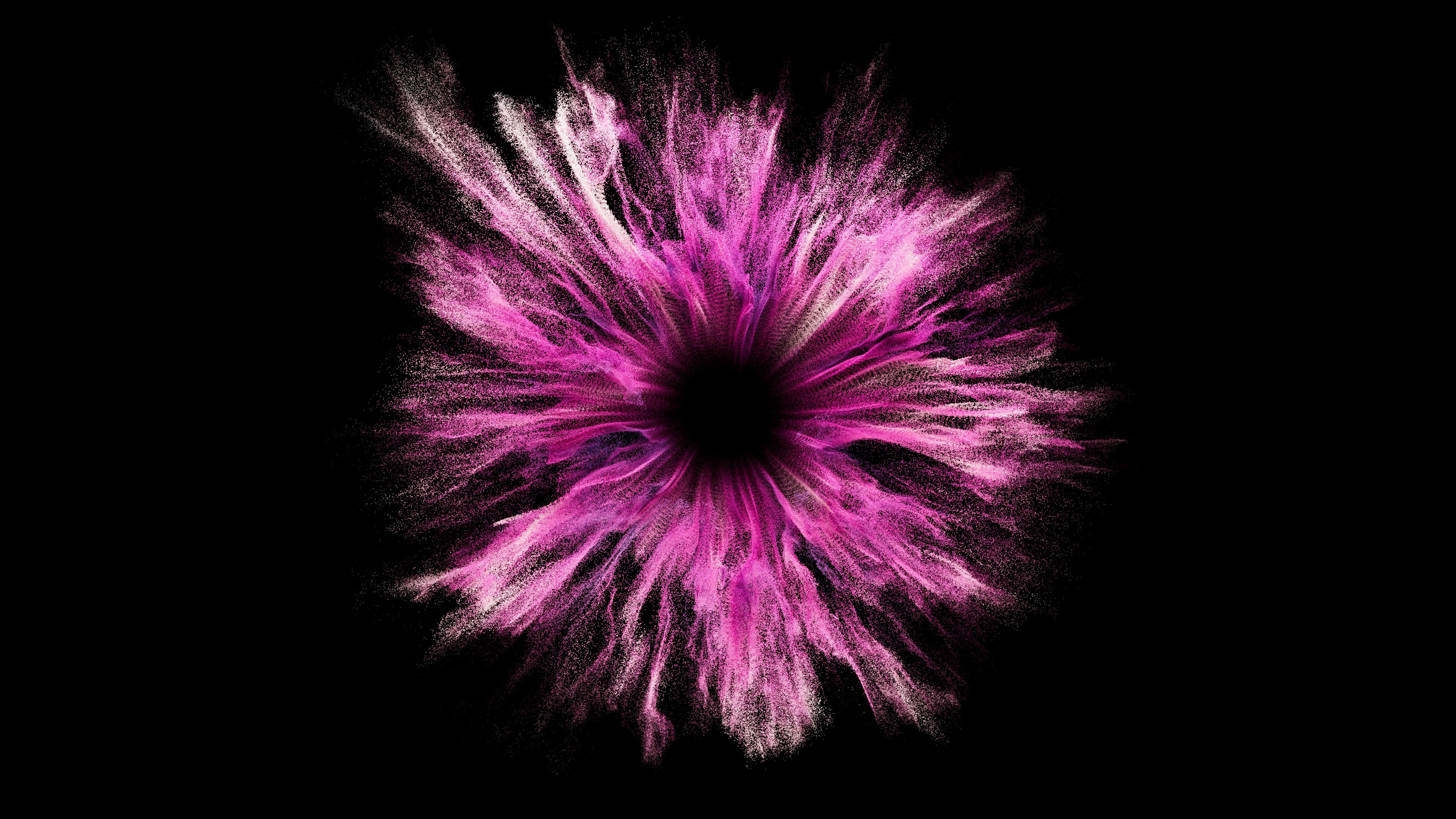
“Nebula”
3D Rendering · Cinema 4D
Curated at Duke University
Smith Warehouse
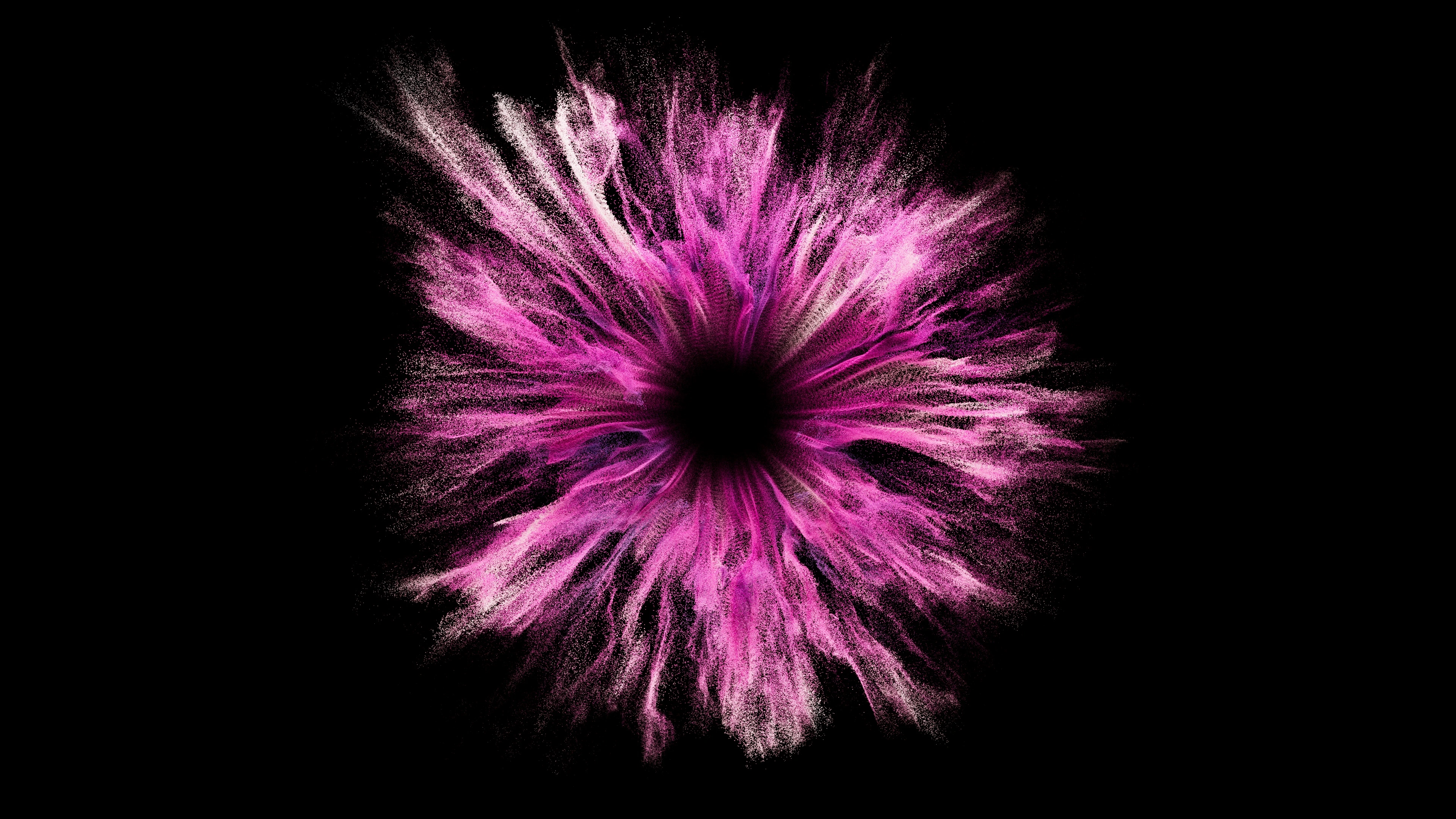
“Nebula”
3D Rendering · Cinema 4D
Curated at Duke University · Smith Warehouse

Digital Refuges I've Built
The Warm Tech.

Design Philosophy
Four principles.
Warm Technological Humanism
Technology that holds, not extracts.
“Digital tools are sharp enough to capture the data, but soft enough to hold the culture.”
The tech industry optimizes for engagement, extraction, and scale. I optimize for care.
My work begins with a simple question: who is struggling, and how can computation make their world a little more bearable? A reader with ADHD fighting a hostile browser. A retiring chef whose muscle memory has no backup. A species that vanished before the law noticed.
I build interfaces that hold what the world forgets—not to monetize attention, but to create refuge.
Click to expand
Subtractive Engineering
Remove to preserve. Less infrastructure, longer lifespan.
“In a world devouring its own archives, I chose to etch, not entomb.”
Most engineers add. I subtract.
When I realized my biodiversity archive depended on servers that could die, I tore down the backend and fossilized the data into static JSON. When I built a virtual museum for a 26-year-old kitchen, I rejected databases entirely—the site lives as pure files, archivable on a USB drive, runnable decades from now.
True resilience isn't about building fortresses. It's about removing the things that rot.
Click to expand
Transparent by Default
Show your reasoning. Let humans decide.
“Accountability isn't optional. The interface shows its sources.”
Black boxes create dependence. Transparency builds trust.
When my AI translation tool suggests a phrase, it shows why—the source document, the similarity score, the retrieval path. When my reading assistant refuses a question, it explains the boundary.
I design systems where the human is always the final author. Copilot, not autopilot. The machine proposes; the person disposes.
Click to expand
Accessibility as Aesthetics
Design for the margins; everyone benefits.
“Choice is respect.”
Accessibility is not a compliance checkbox. It is a design stance—a way of seeing.
When I built color-blind modes for my species visualization, I didn't treat it as an edge case; I treated it as an alternate aesthetic, equally valid. When I offered three AI providers in my translation tool, I wasn't just being practical—I was acknowledging that access looks different for a professor in Kunshan and a scholar in Durham.
Universal design isn't about lowering the bar. It's about widening the door.
Click to expand